

Artificial Intelligence (AI) is reshaping industries worldwide, yet its adoption in rural areas like Bemidji, Minnesota, remains limited. This digital divide poses challenges but also presents opportunities for economic growth and improved quality of life.
Current Landscape of AI Adoption
Recent studies indicate that rural Minnesota lags behind urban centers in AI tool usage. For instance, only 13.1% of working-age adults in rural Minnesota utilize AI applications, compared to higher rates in urban areas. This disparity could widen existing economic gaps between rural and urban communities.
Potential Benefits for Rural Communities
Integrating AI into rural economies can offer numerous advantages:
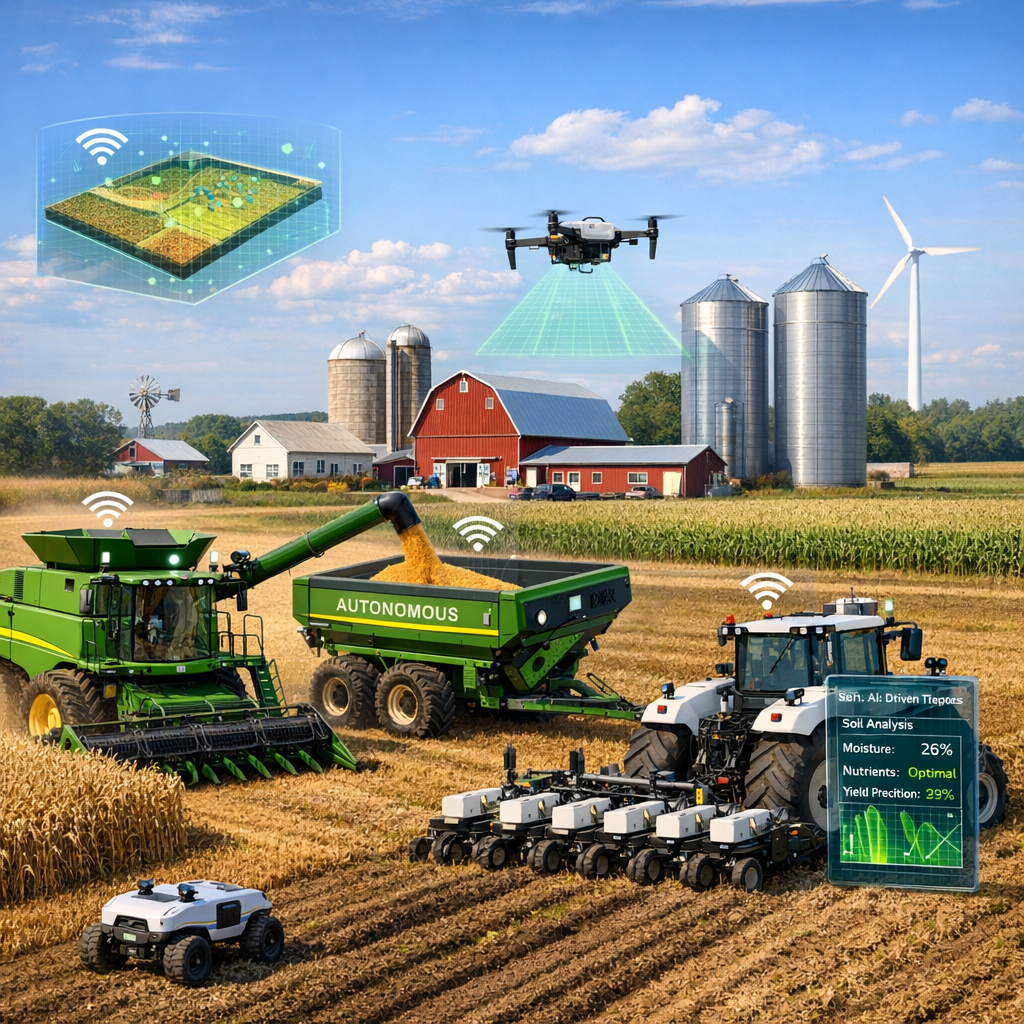
- Agriculture: AI-driven technologies can optimize crop management, predict weather patterns, and enhance yield predictions, leading to increased productivity for local farmers.
- Healthcare: AI can support healthcare providers by analyzing patient data, assisting in diagnostics, and managing resources more efficiently, which is crucial in areas with limited medical facilities.
- Education: Personalized learning platforms powered by AI can cater to individual student needs, providing quality education regardless of location.
Challenges to Overcome
Several obstacles hinder AI adoption in rural Minnesota:
- Infrastructure: Limited broadband access restricts the use of AI technologies that require high-speed internet connections.
- Awareness and Training: There is a need for educational programs to familiarize residents and businesses with AI applications and their benefits.
- Economic Barriers: The cost of implementing AI solutions can be prohibitive for small businesses and farms.
Local Initiatives and Success Stories
Despite these challenges, some Minnesota-based organizations are making strides in AI integration. For example, Newbloom AI, headquartered in Woodbury, offers AI consulting services to businesses across the state, including rural areas. Their work focuses on practical AI implementation, such as document processing and workflow automation, tailored to the specific needs of local businesses.
Additionally, the Blandin Foundation has been instrumental in promoting broadband access in rural communities, recognizing it as a critical step toward enabling technologies like AI. Their efforts aim to equip communities with the necessary infrastructure to embrace digital advancements.
Moving Forward
To bridge the digital divide, a collaborative approach is essential. Policymakers, educational institutions, and private enterprises must work together to invest in infrastructure, provide training programs, and create economic incentives for AI adoption. By doing so, rural communities like Bemidji can harness the transformative power of AI, fostering economic development and enhancing residents’ quality of life.