

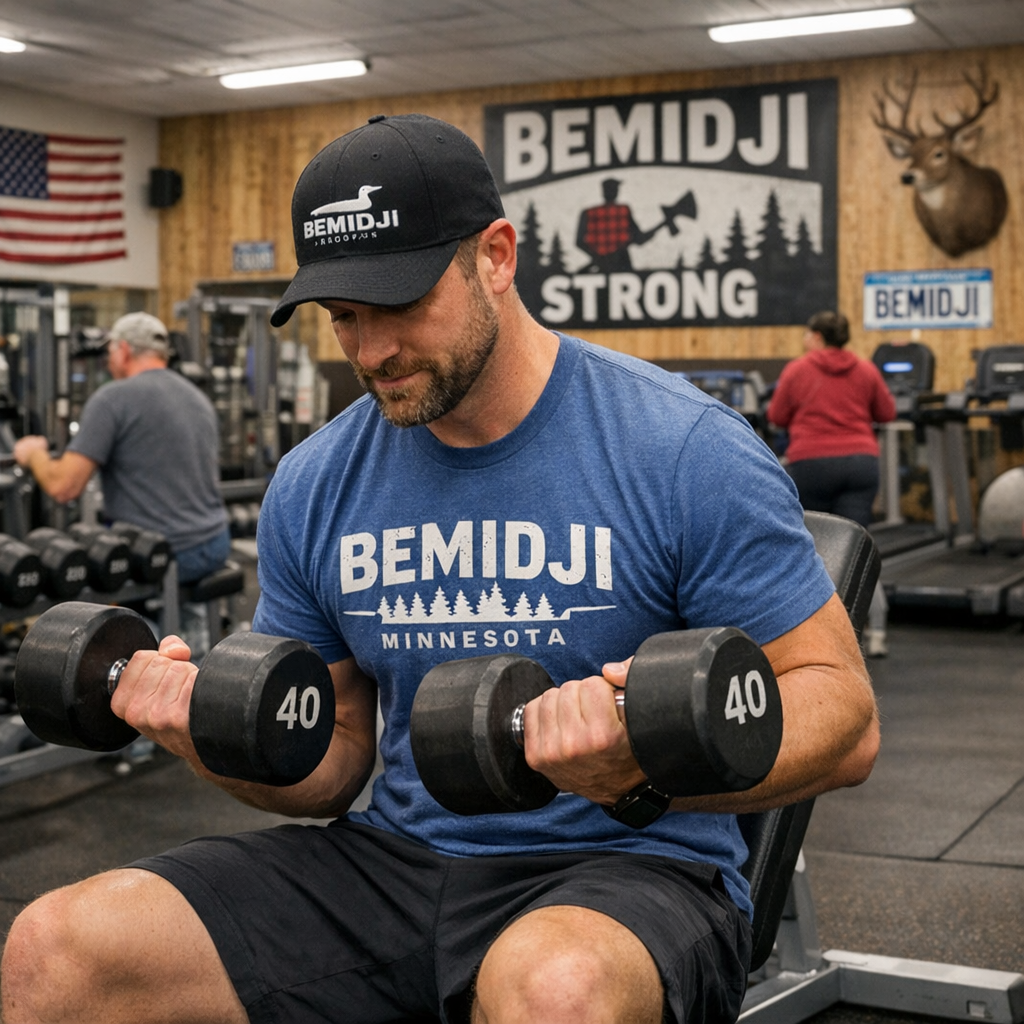
Bemidji is rich in fitness options and mental health supports, but like any growing community, there’s always room to strengthen our wellness systems. Whether you’re aiming for better physical health, seeking help with emotional struggles, or hoping to build habits that sustain both, here’s a local guide to help you on your journey.
1. Finding Your Fitness Home
One of the first keys to staying active is having a gym or workout style that fits your pace and your preferences. Bemidji offers varied options:
- Gillett Wellness Center: Located on the Bemidji State University campus, this facility includes cardio machines, a weight room, indoor track, pool, and racquetball courts. Memberships are flexible, open to students, staff, alumni, and public.
- Anytime Fitness & Snap Fitness: Both offer 24-hour access with personal training options, group classes, and convenient locations. Snap also features amenities like an infrared sauna.
- Boss Lady Fitness: More than a gym — it’s a community space geared toward group fitness, self-care, and empowerment with classes like Zumba, yoga, pilates and strength training, designed to welcome all fitness levels.
- Specialty options like CrossFit Bemidji, martial arts academies, and small locally owned studios are available too. These can provide more feedback, community support, and motivation if structured gyms aren’t your style.
Workout Tips to Stick With It
• Try out different gym membership types or free trials before committing.
• Mix cardio, strength, flexibility to avoid burnout.
• Work out with a friend or join group classes for more accountability.
• Use local trails, parks, and the lake — outdoor activity complements gym work well, especially in no-equipment forms.
2. Mental Health Resources Close to Home
Taking care of your mental well-being matters just as much as physical fitness. Here are services serving Bemidji residents:
- Sanford Health Behavioral Health Bemidji: Offers outpatient care, substance use treatment, community treatment programs (ACT), and services for youth and adults. They also operate the local crisis center and inpatient behavioral health facilities.
- North Homes Children & Family Services: Provides integrated mental health and substance use care, both individual and family therapy, with attention to evidence-based models. School-based services help reduce access barriers.
- Hope House Bemidji: Works with adults who have serious persistent mental illness, offering programs like the Adult Rehabilitative Mental Health Services (ARMHS), community support, medication education, and a drop-in center. Cultural and community-based support are part of their approach.
- BSU’s Student Center for Health and Counseling: For students enrolled in enough credits, this offers preventative care, counseling without needing a diagnosis, telehealth options, and onsite practitioners who can prescribe medications.
When to Seek Help & What to Expect
It’s normal to feel stress, grief, or worry. Seek professional support if symptoms become overwhelming, start interfering with daily life, or you or a loved one think about self-harm. Most local providers require insurance or offer sliding scale rates. Phone calls are usually needed to start, and many services offer telehealth options to ease scheduling.
3. Lifestyle Habits That Support Both Body and Mind
Wellness isn’t only about where you go, but what you do every day. These habits are scientifically tied to better physical and mental health:
- Move regularly: Even short walks or stretching sessions break up sedentary behavior.
- Sleep well: Quality rest repairs muscles, regulates mood, helps cognitive functioning.
- Eat nourishing meals: Whole foods, balanced nutrition, and hydration impact mood and energy directly.
- Find social connection: Whether in fitness classes, support groups, or faith/interest groups, community helps us feel seen and supported.
- Practice mindfulness or relaxation: Meditation, breathing exercises, yoga can help reduce anxiety, chronic pain, and stress responses.
4. Gaps We Can Close in Bemidji Wellness
While resources are solid in many areas, local conversations show some recurring gaps:
- Lack of affordable or free wellness options for low-income folks beyond student populations.
- Need for more cultural and linguistic diversity in mental health services.
- More transparent information about how to access different levels of care (outpatient, crisis, community supports).
- Greater integration between fitness opportunities and mental health—programs that combine both (e.g. yoga + therapy, movement + community support).
5. How You Can Take Small Steps Today
To begin or deepen your wellness journey, you don’t need to overhaul your life. Try:
- Visiting a gym “open house” or class you’ve never tried.
- Scheduling a check-in with a counselor or mental health provider just to see how you’re doing.
- Tracking one habit (like extra sleep or daily steps) for a week.
- Joining a local support group or online community tied to an interest or identity—these can anchor mental resilience.
Bemidji’s wellness community thrives when its people feel supported in movement, rest, and emotional health. It takes courage to reach out, try something new, or ask for help—and every step matters.