
By Liam Anderson
Inflation Remains Stubborn
The U.S. inflation rate, measured by the Consumer Price Index (CPI), stood at roughly 3.4 percent over the past year as of August, with monthly gains also showing continued upward movement. Core inflation, which excludes volatile food and energy costs, has held steady at about 2.4 percent. These figures suggest that while price pressures have eased somewhat from earlier highs, many Americans still feel the squeeze at the gas pump and in household budgets.
Economy Showing Resilience—With Cracks
Growth in GDP has remained modest (around 2.0–2.1 percent), despite challenges such as elevated inflation and tightened financial conditions. The labor market is steady, but gains in wages haven’t fully kept pace with price increases, leading to anxiousness about purchasing power. Areas like housing continue to face strain from high costs and mortgage rates.
Politics, Parties & Voter Mood
As the midterm elections loom, economic issues—especially cost of living and inflation—are a top concern among voters. Survey data shows neither political party has a strong advantage on economic policy. The Republican and Democratic parties are almost evenly viewed on handling the economy; many voters instead prioritize concrete impacts on affordability and job security.
What That Means for You
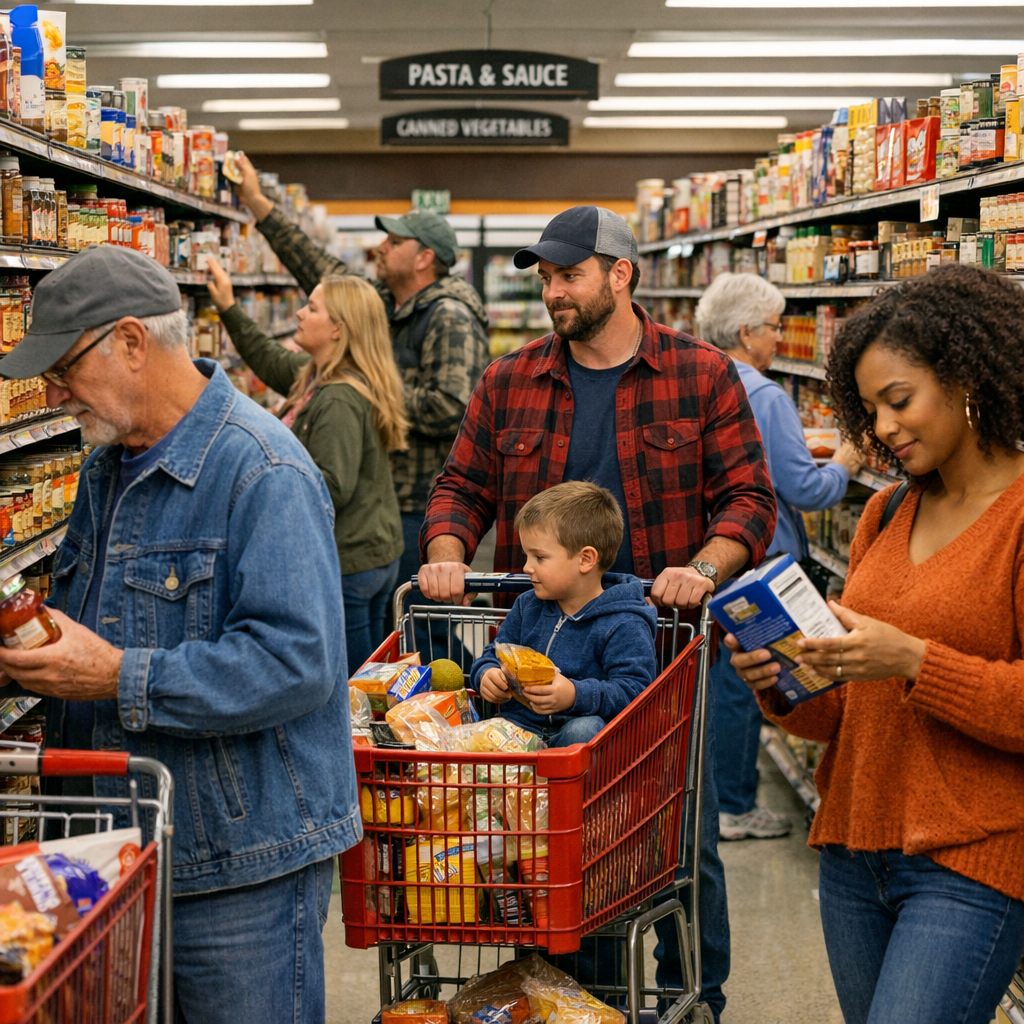
- Budgeting for basics like fuel, groceries, and housing remains a concern for families in northern Minnesota and across the country.
- Voters are more focused on how policies affect daily life than which party “wins” on issues—especially if inflation stays above historical norms.
- Stable economic growth and manageable inflation might ease concerns, but uncertainty—over rate movements, costs, and global events—could tip the mood quickly.
Americans are watching: Will inflation finally settle? Will elected leaders respond with policies that ease everyday burdens, not just headlines? This cycle, it may be what voters feel in their wallets—not what’s being promised—that decides.